
Varahi Kavacham: An Overview
Stotranidhi.com provides the Sri Varahi Kavacham in Telugu PDF format‚ sourced from the Sri Rudrayamala Tantra. This text offers a protective shield‚ safeguarding devotees from various adversities.
The PDF includes Telugu meanings‚ aiding comprehension of the Kavacham’s verses and enhancing devotional practice. It’s a valuable resource for those seeking Varahi Devi’s blessings.
Varahi Kavacham‚ a potent spiritual armor‚ originates from the Sri Rudrayamala Tantra and is readily accessible in a Telugu PDF format via platforms like Stotranidhi.com. This sacred text isn’t merely a collection of verses; it’s a meticulously crafted invocation designed to envelop the devotee in a protective energy field.
The Telugu PDF version is particularly beneficial‚ offering translations that unlock the Kavacham’s profound meanings for Telugu-speaking practitioners. It details a process where each body part is symbolically guarded by different energy forms of Varahi Devi. Regular recitation‚ as outlined in the PDF‚ is believed to dismantle the schemes of enemies‚ alleviate the effects of planetary afflictions‚ and secure the compassionate protection of the Divine Mother.
Essentially‚ the Kavacham functions as an invisible shield‚ offering solace and strength to those who embrace its power through dedicated practice and devotion.
The Significance of Varahi Devi
Varahi Devi‚ as revealed within the Sri Varahi Kavacham – available in Telugu PDF format on sites like Stotranidhi.com – is a fierce and compassionate manifestation of Divine Shakti. She is depicted with the face of a sow‚ symbolizing her power to unearth hidden truths and root out negativity.
The Kavacham emphasizes Varahi’s role as a protector‚ revered by deities like Brahma‚ Vishnu‚ and Shiva‚ alongside the Matrikas and Bhairavas. Her significance lies in her ability to grant liberation from obstacles and safeguard devotees from harm. The Telugu PDF highlights that consistent recitation invokes her maternal grace‚ shielding practitioners from adversity.
Varahi’s energy is considered particularly effective in neutralizing curses‚ removing obstacles‚ and ensuring victory over enemies‚ making her a powerful ally for spiritual seekers.
Origin and Scriptural Basis (Sri Rudrayamala Tantra)
The Sri Varahi Kavacham‚ readily accessible in a Telugu PDF from resources like Stotranidhi.com‚ finds its origin in the ancient Sri Rudrayamala Tantra. This tantric text is a foundational source for numerous Shakti-based practices and mantras.
The Kavacham is specifically “grahaninchabaden” – meaning derived – from the Sri Rudrayamala Tantra‚ establishing its authenticity and potency. The PDF emphasizes that this lineage connects the Kavacham to a profound spiritual tradition. It’s not merely a collection of verses‚ but a carefully constructed protective formula.
The Tantra details the precise methodology for invoking Varahi’s protective energies‚ which is reflected in the Kavacham’s structure and recitation guidelines. The Telugu version preserves this ancient wisdom.
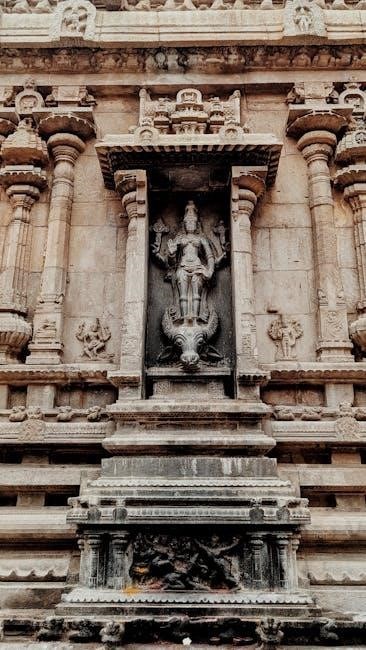
Understanding the Kavacham
Varahi Kavacham‚ available in Telugu PDF‚ is a powerful protective formula. It utilizes specific mantras and verses to invoke the goddess’s safeguarding energies.
What is a Kavacham?
A Kavacham‚ derived from the Sanskrit word meaning “armor” or “shield‚” is a sacred text designed to offer comprehensive protection to the devotee. Within the context of the Sri Varahi Kavacham‚ specifically as found in the Telugu PDF from Stotranidhi.com‚ it’s a meticulously crafted arrangement of verses originating from the Sri Rudrayamala Tantra.
This isn’t merely a literary composition; it’s a potent spiritual instrument. The Kavacham functions as an invisible protective layer‚ enveloping the practitioner in a divine shield. Each verse‚ when recited with devotion‚ is believed to activate specific energies of Varahi Devi‚ safeguarding various aspects of the devotee’s being – physical‚ mental‚ and spiritual;
The Telugu PDF format makes this powerful practice accessible to a wider audience‚ allowing for deeper understanding through the provided translations. It’s a means of invoking Varahi’s power for overall well-being and security.
The Protective Shield Aspect
The Sri Varahi Kavacham‚ available as a Telugu PDF on Stotranidhi.com‚ embodies a powerful protective shield. Rooted in the Sri Rudrayamala Tantra‚ it’s designed to encircle the devotee with the formidable energies of Varahi Devi. This shield isn’t physical‚ but a subtle‚ energetic barrier against negativity.
The Kavacham’s verses‚ when recited‚ are believed to activate various shakti forms of the Goddess‚ safeguarding each part of the body as described within the text. This creates an “invisible protective armor‚” deflecting harmful influences and warding off obstacles.
The Telugu translation within the PDF enhances understanding‚ allowing for focused intention during recitation‚ thereby strengthening the protective effect. It’s a proactive spiritual practice for cultivating safety and well-being.
Benefits of Reciting Varahi Kavacham
Accessing the Varahi Kavacham in Telugu PDF format‚ as offered by Stotranidhi.com‚ unlocks numerous spiritual benefits. Derived from the Sri Rudrayamala Tantra‚ consistent recitation is said to dismantle the schemes of enemies and neutralize the adverse effects of planetary influences.
The Kavacham fosters a protective environment‚ shielding the devotee from misfortune and fostering a sense of security. Varahi Devi‚ known for her maternal compassion‚ is believed to safeguard those who regularly chant this powerful text.
Furthermore‚ the Telugu translation aids in deeper comprehension‚ amplifying the potency of the recitation. It’s a practice aimed at achieving both worldly success and spiritual advancement through divine grace.
Removal of Obstacles and Negative Energies
The Sri Varahi Kavacham‚ readily available in Telugu PDF format via Stotranidhi.com‚ is renowned for its ability to dismantle obstacles and dispel negative energies. Rooted in the Sri Rudrayamala Tantra‚ its verses act as a potent shield against harmful influences.
Regular recitation‚ particularly utilizing the Telugu translation for enhanced understanding‚ is believed to neutralize malicious intent and ward off envious glances. It’s a powerful tool for clearing energetic blockages that hinder progress and well-being.
The Kavacham’s protective aura safeguards the devotee‚ creating a space of peace and positivity. It’s a practice designed to overcome challenges and foster a life free from undue hardship and negativity.
Protection from Enemies and Ill Will
The Sri Varahi Kavacham‚ accessible in a Telugu PDF from sources like Stotranidhi.com‚ serves as a formidable defense against enemies and malicious intent. Derived from the Sri Rudrayamala Tantra‚ its verses create an invisible protective barrier around the devotee.
Consistent recitation‚ especially with the aid of the Telugu meaning for deeper connection‚ is believed to nullify the schemes of adversaries and deflect harmful energies directed towards you. It’s a spiritual safeguard against those who harbor ill will.
This Kavacham doesn’t promote aggression but rather establishes a powerful shield‚ ensuring peace and security amidst potential conflicts; It fosters an environment of protection and divine intervention.

The Telugu PDF and its Contents
Stotranidhi.com offers the Varahi Kavacham in Telugu PDF‚ featuring the original Sanskrit alongside Telugu translations for enhanced understanding and devotional practice.
Availability of Varahi Kavacham in Telugu PDF Format
The Sri Varahi Kavacham‚ complete with Telugu meanings‚ is readily accessible in PDF format through several online resources‚ most notably Stotranidhi.com. This digital availability ensures devotees can easily access and engage with this powerful protective hymn‚ regardless of their location or access to physical texts.
The PDF format allows for convenient downloading‚ printing‚ and reading on various devices‚ fostering a more personalized and accessible spiritual practice. Stotranidhi.com specifically highlights that this Kavacham is also included within their comprehensive “Sri Varahi Stotranidhi” parayana (recitation) book‚ available for purchase.
This widespread availability underscores the growing interest in Varahi Devi and the desire to connect with her protective energies through the recitation of this sacred Kavacham. The Telugu PDF caters specifically to the linguistic needs of Telugu-speaking devotees.
Stotranidhi.com as a Source
Stotranidhi.com stands as a prominent and reliable online source for the Sri Varahi Kavacham in Telugu PDF format. The website provides a user-friendly interface‚ allowing easy navigation to the specific stotra within their extensive collection of Sanskrit and Telugu devotional texts.
Notably‚ Stotranidhi.com indicates the Kavacham originates from the Sri Rudrayamala Tantra‚ lending scriptural authority to its practice. The site was updated on March 13‚ 2026‚ suggesting ongoing maintenance and commitment to providing current resources.
Beyond the PDF itself‚ Stotranidhi.com also offers the option to purchase the complete “Sri Varahi Stotranidhi” parayana book‚ containing this and other related stotras. This positions the website as a comprehensive hub for devotees seeking to deepen their connection with Varahi Devi.
Content Breakdown: Sections within the PDF
The Sri Varahi Kavacham Telugu PDF‚ available via Stotranidhi.com‚ is structured around key elements essential for proper recitation and understanding. It begins with the Asya Sri Varahikavachasya – the introductory verse establishing the Rishi‚ Chandas‚ and Devata.
Following this is the Dhyana Shloka‚ a meditative verse vividly describing Varahi Devi’s appearance and divine attributes. The core of the PDF comprises the individual Shlokas (verses) of the Kavacham‚ each accompanied by Telugu translations to facilitate comprehension.
Crucially‚ the PDF includes the Beeja‚ Shakti‚ and Keelakam‚ vital components for invoking the Kavacham’s protective energies. The inclusion of the Nyasa further guides the devotee in proper invocation practices‚ ensuring a potent and effective recitation.
The Importance of Telugu Meaning
The availability of the Sri Varahi Kavacham with Telugu meaning‚ as offered by Stotranidhi.com‚ is profoundly significant for devotees who are native Telugu speakers or wish to deepen their understanding. Simply reciting the Sanskrit verses can be beneficial‚ but grasping the nuances within the Telugu translation unlocks a richer‚ more profound connection.
The Telugu meaning clarifies the symbolism‚ the descriptions of Varahi Devi‚ and the intent behind each shloka. This enhanced comprehension fosters greater bhava (devotional emotion) and allows for a more focused and effective meditative practice.
It bridges a linguistic gap‚ making the Kavacham accessible and empowering a wider audience to experience its protective benefits and divine grace.

Decoding the Kavacham – Key Elements
The Sri Varahi Kavacham‚ from the Sri Rudrayamala Tantra‚ identifies Trilochana as the Rishi‚ Anushtup as the Chandas‚ and Sri Varahi as the Devata.
The Rishi‚ Chandas‚ and Devata
Understanding the foundational elements of the Varahi Kavacham is crucial for proper recitation and realizing its full benefits. According to the text available in the Telugu PDF from Stotranidhi.com‚ sourced from the Sri Rudrayamala Tantra‚ the Rishi – the seer of this Kavacham – is Trilochana.
The Chandas‚ or meter‚ is identified as Anushtup‚ a commonly used meter in Vedic literature‚ lending a specific rhythm and flow to the verses. Most importantly‚ the Devata – the presiding deity – is Sri Varahi Devi herself. These three elements – Rishi‚ Chandas‚ and Devata – form the core of the Kavacham’s energetic structure‚ establishing a connection between the devotee‚ the verse’s form‚ and the divine power invoked.
Recognizing these components enhances the depth of the recitation and fosters a stronger spiritual connection with Varahi Devi.
Meaning of the Beeja‚ Shakti‚ and Keelakam
Delving deeper into the Varahi Kavacham’s energetic structure‚ as detailed in the Telugu PDF from Stotranidhi.com‚ reveals the significance of the Beeja‚ Shakti‚ and Keelakam. The Beeja‚ or seed syllable‚ is Om‚ representing the primordial sound and the source of creation. The Shakti‚ or power‚ is Glaum‚ embodying Varahi Devi’s dynamic energy and fierce protective force.
Finally‚ the Keelakam‚ or locking mechanism‚ is Swaha‚ signifying completion and the sealing of the Kavacham’s protective influence. These three elements work synergistically to activate the Kavacham’s power‚ channeling Varahi Devi’s energy for the devotee’s benefit.
Understanding their meanings enhances the efficacy of the recitation and deepens one’s connection to the divine.
The Nyasa (Invocation)
The Nyasa‚ a crucial component of the Varahi Kavacham‚ as presented in the Telugu PDF from Stotranidhi.com‚ is a ritualistic invocation that establishes a connection between the devotee and the deity. The specific Nyasa formula – “Mama Sarva Shatrunashanarthe Jape Viniyogah” – declares the purpose of recitation: for the destruction of all enemies.
This isn’t merely a physical threat‚ but also internal obstacles and negative energies. Through Nyasa‚ the devotee mentally assigns the Kavacham’s power to different parts of the body‚ creating an energetic shield.
This process prepares the practitioner for effective recitation and maximizes the Kavacham’s protective benefits‚ aligning them with Varahi Devi’s potent energy.

The Dhyana Shloka (Meditation Verse)
The Dhyana Shloka‚ found within the Varahi Kavacham Telugu PDF‚ vividly describes Varahi Devi’s appearance – dark-complexioned‚ with three eyes‚ and adorned with jewels.
Description of Varahi Devi’s Appearance
The Varahi Kavacham’s Dhyana Shloka‚ accessible in the Telugu PDF from Stotranidhi.com‚ paints a striking portrait of the Goddess. She is envisioned with a complexion like a dark-blue jewel – Indraneela Varnabham – radiating a powerful‚ captivating energy. Her three eyes‚ likened to the sun‚ moon‚ and fire – Chandra Surya Agnilochanaam – symbolize her dominion over the three worlds and her ability to perceive all of existence.
Varahi Devi is depicted wearing a crown crafted from blazing jewels – Jvalanmaniganaprokthamakutambaavilambitam – signifying her royal status and divine authority. She is also described as adorned with ornaments that cascade down to her shoulders‚ enhancing her majestic presence. This detailed imagery‚ presented in the Telugu PDF‚ aids devotees in focused meditation and visualization during Kavacham recitation.
Symbolism within the Dhyana Shloka
The Dhyana Shloka‚ found within the Sri Varahi Kavacham Telugu PDF from Stotranidhi.com‚ is rich with symbolic meaning. The Goddess’s three eyes represent her perception of past‚ present‚ and future‚ and her control over time itself. Her dark-blue complexion signifies immense power and depth‚ akin to the vastness of the ocean.
Being served by deities like Brahma‚ Vishnu‚ and Shiva – Vidhi Vishnu Harendraadi – highlights Varahi’s supreme status. The mention of Matrukagana and Bhairavas emphasizes her connection to potent energies. The jewel-studded crown symbolizes her sovereignty‚ while the overall description evokes a fierce yet benevolent protector‚ readily accessible through dedicated recitation of the Kavacham.
The Divine Attributes Highlighted
The Sri Varahi Kavacham‚ available in Telugu PDF format via Stotranidhi.com‚ powerfully highlights Varahi Devi’s divine attributes. She is depicted as a radiant being‚ adorned with a crown of blazing jewels – Jvalanmaniganaprokta – signifying her brilliance and authority. The Kavacham emphasizes her possession of all necessary weapons‚ perfectly suited for any task – Astra shastrani sarvani – demonstrating her capability to overcome all obstacles.
Furthermore‚ the text underscores her accessibility to devotees‚ served by major deities and powerful energies. This emphasizes her compassionate nature and willingness to protect those who seek her grace. The Dhyana Shloka vividly portrays a goddess embodying strength‚ wisdom‚ and protective power.

Exploring the Verses (Shlokas)
Shloka 1 initiates the Kavacham with an invocation and describes Varahi Devi‚ while Shloka 2 details her adornments and weaponry‚ as found in the Telugu PDF.
Shloka 1: Initial Invocation and Description

Shloka 1‚ as presented in the Telugu PDF from Stotranidhi.com‚ serves as the foundational invocation of the Sri Varahi Kavacham. It begins with a profound dhyana‚ a meditative verse calling upon the divine presence of Varahi Devi. The verse describes her radiant form‚ possessing a complexion like polished indigo and adorned with three eyes representing the sun‚ moon‚ and fire – symbols of cosmic energy.
This initial shloka establishes Varahi Devi as a powerful deity revered by Brahma‚ Vishnu‚ Maheshwara‚ Indra‚ and the Matrika ganas‚ along with Bhairavas. It sets the stage for the Kavacham’s protective verses‚ highlighting her divine authority and the blessings she bestows upon her devotees. The Telugu translation within the PDF clarifies these attributes‚ deepening understanding and facilitating focused meditation.
Shloka 2: Adornments and Weapons
Shloka 2‚ detailed within the Telugu PDF sourced from Stotranidhi.com‚ elaborates on Varahi Devi’s majestic adornments and formidable weaponry. The verse depicts her crowned with a radiant diadem crafted from blazing jewels‚ signifying her power and sovereignty. She is described as wearing ornaments that cascade down to her shoulders‚ enhancing her divine beauty.
Crucially‚ this shloka emphasizes Varahi Devi’s preparedness for battle‚ detailing her possession of a complete arsenal of weapons – astra and shastra – each perfectly suited for its intended purpose. This signifies her ability to vanquish enemies and protect her devotees. The Telugu translation clarifies the specific types of weaponry‚ providing a richer understanding of her protective capabilities as outlined in the Sri Rudrayamala Tantra.
Further Shlokas and their Meanings (Overview)
The Sri Varahi Kavacham‚ available in Telugu PDF format on Stotranidhi.com‚ extends beyond the initial two shlokas‚ detailing further aspects of the Devi’s power and protective aura. Subsequent verses‚ rooted in the Sri Rudrayamala Tantra‚ continue to invoke various forms and energies of Varahi‚ assigning them to different body parts for comprehensive safeguarding.
The Telugu translations within the PDF illuminate the nuanced meanings of each shloka‚ revealing how Varahi Devi’s divine attributes counteract negative influences and obstacles. These verses collectively establish an invisible shield around the devotee‚ neutralizing harmful energies and ensuring well-being. The Kavacham’s continued recitation‚ guided by the Telugu interpretations‚ fosters a deeper connection with the Devi’s protective grace.

Practical Application and Recitation
Varahi Kavacham recitation‚ found in the Telugu PDF‚ benefits from proper technique and devotion. Consistent practice‚ ideally daily‚ amplifies its protective effects.
Proper Recitation Techniques
To effectively utilize the Varahi Kavacham from the Telugu PDF‚ mindful recitation is crucial. Begin by finding a quiet and clean space‚ free from distractions. Ideally‚ face East or North while reciting. Prior to commencing‚ a brief purification ritual – achamana – is recommended.
Pronunciation of the Sanskrit verses‚ even when using the Telugu transliteration‚ should be as accurate as possible. Focus on the Beeja‚ Shakti‚ and Keelakam mantras‚ understanding their significance. Maintain a steady rhythm and clear enunciation. Visualize Varahi Devi as described in the Dhyana Shloka during the recitation.
The Kavacham isn’t merely a vocal exercise; it’s a meditative practice. Recite with sincere devotion and a clear intention – whether for protection‚ obstacle removal‚ or spiritual growth.
Recommended Time for Recitation
While the Varahi Kavacham‚ accessible via the Telugu PDF‚ can be recited at any time‚ certain periods are considered particularly auspicious. Dawn (Brahma Muhurta)‚ typically between 4:00 AM and 6:00 AM‚ is highly favored for its serene energy. Evening‚ specifically during twilight (Sandhyakalam)‚ is also beneficial.
Many practitioners prefer reciting during Ashtami or Navami tithis (lunar days) dedicated to the Divine Mother. Specific days aligned with Varahi Devi’s energies‚ as determined by a Telugu Pandit‚ are ideal. Avoid reciting during inauspicious times or when feeling physically or mentally unwell.
Consistency is key; daily recitation‚ even a few verses‚ yields greater benefits than sporadic‚ lengthy sessions. The Telugu PDF facilitates regular practice.
The Role of Faith and Devotion
Reciting the Varahi Kavacham‚ readily available in Telugu PDF format‚ transcends mere word repetition. Genuine faith (Shraddha) and heartfelt devotion (Bhakti) are paramount. Approaching the Kavacham with reverence amplifies its protective and transformative power.
Understanding the Telugu meanings‚ as provided in the PDF‚ fosters deeper connection and devotion. Visualize Varahi Devi during recitation‚ immersing yourself in her divine energy. A sincere intention – seeking protection‚ removing obstacles‚ or attaining spiritual growth – strengthens the practice.
Devotion isn’t about perfection; it’s about offering your sincere effort. Consistent‚ loving recitation‚ guided by the Telugu PDF‚ unlocks the Kavacham’s full potential.

Additional Resources
Stotranidhi.com offers the Varahi Kavacham in Telugu PDF. Explore related stotras and mantras online‚ or consult a Telugu Pandit for guidance.
Other Websites Offering Varahi Kavacham
While Stotranidhi.com is a primary source for the Sri Varahi Kavacham with Telugu meanings‚ several other online platforms also host this powerful text. Searching for “Sri Varahi Kavacham Telugu PDF” will reveal various websites offering downloadable versions‚ though verifying the accuracy of translations is crucial.
Some websites may provide transliterated versions alongside the Telugu script‚ aiding those unfamiliar with the script. Others might offer audio recitations to assist with proper pronunciation. It’s beneficial to compare multiple sources to gain a comprehensive understanding of the Kavacham’s verses and their interpretations.
Remember to prioritize websites with a reputation for authentic Vedic content and reliable translations. Always exercise caution when downloading files from unfamiliar sources to protect your device from potential security risks.
Related Stotras and Mantras
For devotees exploring the realm of Varahi Devi’s worship‚ several related stotras and mantras complement the Sri Varahi Kavacham. The Sri Varahi Stotranidhi‚ mentioned on Stotranidhi.com‚ contains a collection of hymns dedicated to the Goddess‚ deepening one’s connection.
Other relevant texts include the Varahi Ashtakam and various Varahi mantras focused on specific blessings like protection‚ victory‚ and removal of obstacles. These mantras‚ often found alongside the Kavacham‚ enhance the overall spiritual practice. Exploring these resources provides a holistic approach to Varahi Devi’s adoration.
Consistent recitation of these stotras and mantras‚ alongside the Kavacham‚ is believed to amplify their combined benefits‚ fostering a stronger spiritual shield and divine grace.
Finding a Telugu Pandit for Guidance
For those seeking a deeper understanding of the Sri Varahi Kavacham in Telugu‚ consulting a knowledgeable Telugu Pandit is highly recommended. A Pandit can provide accurate pronunciations‚ clarify complex verses‚ and explain the nuances of the Sri Rudrayamala Tantra origins.
They can also offer personalized guidance on proper recitation techniques and the significance of the nyasa (invocation). Finding a Pandit familiar with Stotranidhi.com’s resources ensures access to authentic interpretations of the Telugu text.
Local temples or online platforms specializing in Vedic studies are excellent starting points for locating a qualified Pandit. Their expertise will enrich your devotional practice and unlock the Kavacham’s full potential.