celsius to fahrenheit chart pdf

Article Plan: Celsius to Fahrenheit Chart PDF

This article details creating and utilizing Celsius to Fahrenheit charts, including printable PDFs, conversion formulas, and quick methods for temperature adjustments․
Temperature scales are standardized ways to measure the degree of hotness or coldness․ Historically, various scales emerged, but Celsius and Fahrenheit became dominant․ Understanding these scales is crucial for diverse applications, from daily weather reports to scientific research and, of course, converting temperatures using a Celsius to Fahrenheit chart PDF․

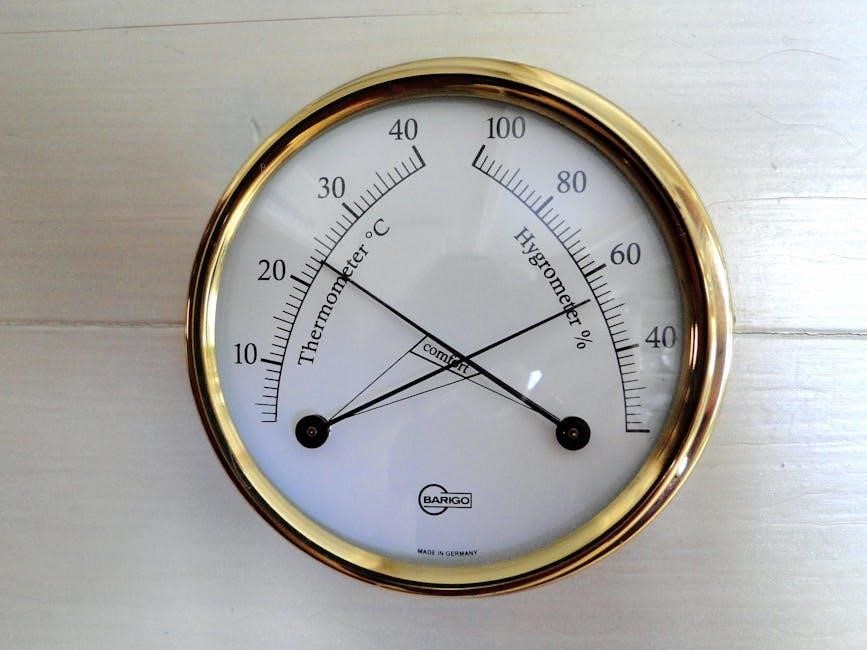
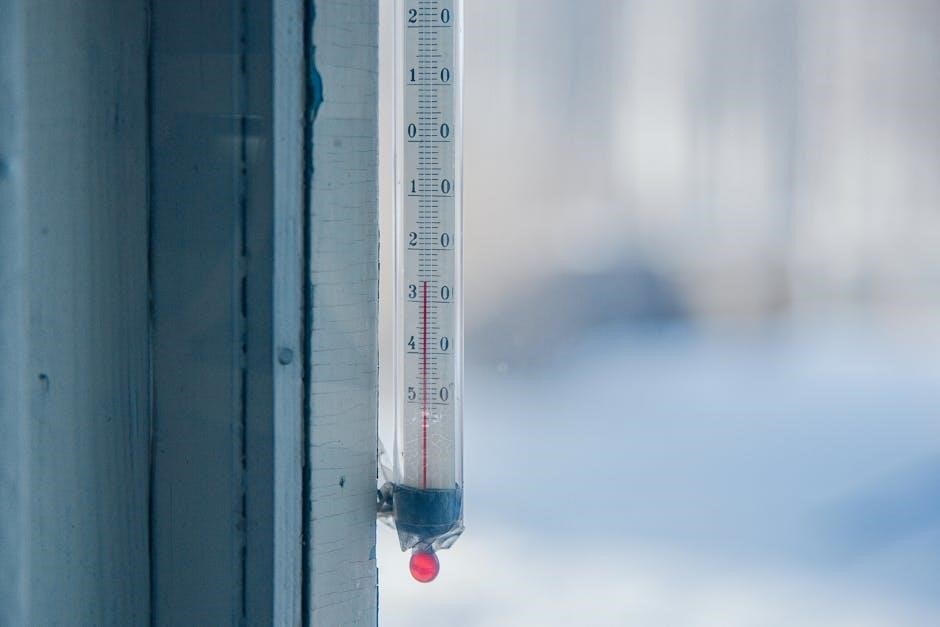
The Celsius scale, part of the metric system, sets 0°C as the freezing point of water and 100°C as its boiling point․ Conversely, the Fahrenheit scale assigns 32°F to freezing and 212°F to boiling․ These differing benchmarks necessitate conversion, making charts and formulas essential tools․ A readily available Celsius to Fahrenheit chart PDF simplifies these conversions for quick reference․

Understanding Celsius and Fahrenheit

Celsius (°C), widely used globally, is a decimal scale where water freezes at 0° and boils at 100°․ Its simplicity aligns with the metric system․ Fahrenheit (°F), primarily used in the United States, defines water’s freezing point at 32° and boiling point at 212°․ This scale offers finer gradations, but can seem less intuitive․

The difference in scale origins and increments explains why direct comparison is impossible without conversion․ A Celsius to Fahrenheit chart PDF visually represents this relationship․ Recognizing these distinctions is vital when interpreting weather data, cooking recipes, or scientific findings․ Utilizing a Celsius to Fahrenheit chart PDF ensures accurate temperature interpretation across different contexts․

The Need for Conversion Charts

Temperature scales differ globally, creating a need for quick and accurate conversions․ Relying on mental calculations can be prone to errors, especially in time-sensitive situations․ A Celsius to Fahrenheit chart PDF provides an immediate reference point, eliminating calculation risks․

These charts are invaluable for international travel, cooking (where recipes often use different scales), and understanding weather reports from various sources․ A readily available Celsius to Fahrenheit chart PDF streamlines these processes․ Furthermore, they aid in scientific work requiring consistent temperature measurements․ Accessibility and ease of use make conversion charts essential tools for diverse applications․

What is a Celsius to Fahrenheit Chart?

A Celsius to Fahrenheit chart is a visual tool displaying corresponding temperatures across both scales․ Typically presented as a table, it lists Celsius values alongside their Fahrenheit equivalents, facilitating quick look-up․ A Celsius to Fahrenheit chart PDF offers portability and easy printing for convenient access․

These charts often cover a range, such as 0-100°C, providing a comprehensive reference․ ClassicWriteDesign offers customizable versions for tailored use․ The chart’s design prioritizes clarity, with organized tables and easily readable values․ It’s a practical alternative to manual calculations, especially when immediate conversions are needed․

Benefits of Using a Printable Chart

A printable Celsius to Fahrenheit chart offers numerous advantages․ Immediate access is key – no need for internet connectivity or device reliance․ This is particularly useful in kitchens, labs, or outdoor settings․ Portability allows you to carry temperature conversions wherever needed, aiding in cooking, baking, or scientific experiments․
Charts eliminate calculation errors, ensuring accuracy․ They’re also excellent educational tools, reinforcing the relationship between the scales․ A Celsius to Fahrenheit chart PDF is cost-effective and customizable, allowing users to tailor it to specific temperature ranges․ It’s a simple, efficient solution for frequent conversions․

Key Formula: Celsius to Fahrenheit Conversion
The cornerstone of converting between Celsius and Fahrenheit lies in a precise mathematical formula․ Understanding this formula: F = (C × 9/5) + 32, is crucial for accurate temperature adjustments․ This equation takes a temperature reading in Celsius (C), multiplies it by 9/5, and then adds 32 to arrive at the equivalent temperature in Fahrenheit (F)․

While Celsius to Fahrenheit chart PDFs provide quick references, knowing the formula empowers users to perform conversions independently․ It’s fundamental for scientific applications and ensures consistent results․ Mastering this conversion is a valuable skill for anyone working with both temperature scales․
The Formula: F = (C × 9/5) + 32

Let’s break down the formula F = (C × 9/5) + 32․ ‘F’ represents the temperature in Fahrenheit, and ‘C’ signifies the temperature in Celsius․ The multiplication by 9/5 accounts for the differing size of degree units between the two scales․ Adding 32 adjusts for the offset in the freezing points of water – 0°C versus 32°F․

Utilizing a Celsius to Fahrenheit chart PDF can be convenient, but understanding this formula provides a deeper comprehension of the conversion process․ It allows for calculations beyond those listed on a standard chart, ensuring accuracy in various contexts, from cooking to weather forecasting․

Common Celsius to Fahrenheit Conversions (0-100°C)

A Celsius to Fahrenheit chart PDF frequently showcases common conversions for quick reference․ Here are a few key examples: 0°C equates to 32°F, the freezing point of water․ 10°C is 50°F, a comfortable room temperature․ 20°C translates to 68°F, often considered ideal indoor climate․ 30°C reaches 86°F, a warm summer day․

Reaching 40°C is 104°F, quite hot! 50°C is 122°F, and 100°C (the boiling point of water) is 212°F․ These conversions are invaluable when using a chart, or when needing to quickly estimate temperatures without complex calculations, aiding in applications like cooking and understanding weather reports․

0°C to 32°F

Zero degrees Celsius (0°C) is equivalent to thirty-two degrees Fahrenheit (32°F)․ This is a crucial benchmark as it represents the freezing point of water – a fundamental temperature in many scientific contexts and everyday life․ A Celsius to Fahrenheit chart PDF will prominently display this conversion․

Understanding this point is essential for interpreting weather data, especially when dealing with potential frost or freezing conditions․ It’s a foundational conversion used in scientific experiments and cooking recipes․ This conversion is often the starting point for understanding the relationship between the two scales, making it a key element in any temperature conversion resource․

10°C to 50°F

Ten degrees Celsius (10°C) corresponds to fifty degrees Fahrenheit (50°F)․ This temperature is often perceived as cool, representing a mild chill in many climates․ A comprehensive Celsius to Fahrenheit chart PDF will clearly illustrate this conversion for quick reference․

This conversion is particularly relevant when checking weather forecasting reports or preparing for outdoor activities․ It’s a temperature where light jackets or sweaters become necessary for comfort․ Understanding this equivalence aids in accurately interpreting temperature readings and making informed decisions about clothing and activities․ It’s a common temperature point found on conversion resources․

20°C to 68°F

Twenty degrees Celsius (20°C) is equivalent to sixty-eight degrees Fahrenheit (68°F)․ This temperature is generally considered room temperature and is quite comfortable for most people․ A readily available Celsius to Fahrenheit chart PDF will showcase this common conversion point․

This is a frequently encountered temperature in everyday life, impacting both cooking and baking recipes and indoor climate control․ It’s a pleasant temperature for outdoor activities without requiring heavy clothing․ Accurate conversion, as displayed on a chart, is crucial for consistent results in scientific experiments and international travel․ It’s a key benchmark for temperature understanding․

30°C to 86°F

Thirty degrees Celsius (30°C) corresponds to eighty-six degrees Fahrenheit (86°F)․ This temperature is often experienced during warm summer days and is considered quite hot․ A comprehensive Celsius to Fahrenheit chart PDF will clearly illustrate this conversion for quick reference․

At 30°C, it’s important to stay hydrated and seek shade, especially during prolonged outdoor exposure․ This temperature is relevant in weather forecasting and understanding heat indexes․ Accurate conversion, facilitated by a chart, is vital for scientific experiments requiring precise temperature control․ It’s a common temperature for comfortable swimming and enjoying outdoor recreation․

40°C to 104°F

Forty degrees Celsius (40°C) is equivalent to one hundred and four degrees Fahrenheit (104°F)․ This represents a high temperature, often associated with heatwaves and requiring significant precautions․ A readily available Celsius to Fahrenheit chart PDF provides immediate access to this crucial conversion․

At 40°C, the risk of heatstroke and heat exhaustion increases substantially․ Utilizing a chart ensures accurate temperature readings for cooking and baking, particularly when adapting international recipes․ This conversion is also vital in scientific experiments where precise temperature control is paramount․ Staying indoors and avoiding strenuous activity are recommended at this temperature․

Quick Conversion Methods (Approximations)

For rapid, mental estimations, several approximation methods bypass the precise formula found in a Celsius to Fahrenheit chart PDF․ One common technique for converting Celsius to Fahrenheit is to subtract 30 from the Celsius temperature and then divide the result by 2․ This provides a reasonably close approximation for everyday use․

Conversely, to convert Fahrenheit to Celsius quickly, double the Fahrenheit temperature and add 30․ While these methods aren’t perfectly accurate, they offer a convenient alternative when a precise conversion isn’t critical, like checking the weather forecasting․ Remember, larger temperature values will yield greater errors․

Subtract 30, Divide by 2 (Celsius to Fahrenheit)

This approximation method offers a swift way to estimate Fahrenheit from Celsius without relying on a Celsius to Fahrenheit chart PDF or complex calculations․ Simply subtract 30 from the Celsius temperature, and then divide the resulting number by 2․ This provides a reasonably accurate conversion for everyday temperature ranges․

For example, to convert 25°C to Fahrenheit, subtract 30 (25 ─ 30 = -5) and then divide by 2 (-5 / 2 = -2․5)․ Add this to 32 to get the final Fahrenheit temperature․ While not exact, it’s a useful mental shortcut, particularly when precision isn’t paramount․

Double and Add 30 (Fahrenheit to Celsius)

For a quick Celsius estimation from Fahrenheit, without needing a detailed Celsius to Fahrenheit chart PDF, employ this simple technique․ Double the Fahrenheit temperature and then add 30 to the result․ This provides a fast, albeit approximate, conversion suitable for everyday scenarios where pinpoint accuracy isn’t crucial․

Consider converting 77°F to Celsius․ Double 77 (77 x 2 = 154), then add 30 (154 + 30 = 184)․ Divide by 2 to get the final Celsius temperature․ Remember, the larger the temperature, the greater the potential for error with this method, but it’s a handy mental calculation․

Where to Find Celsius to Fahrenheit Chart PDFs

Numerous online resources offer readily available Celsius to Fahrenheit chart PDFs for free download․ A simple web search using keywords like “Celsius to Fahrenheit chart PDF” will yield a plethora of options․ Websites like ClassicWriteDesign provide customizable charts, catering to specific needs․
Educational websites and temperature conversion tool sites also frequently host printable charts․ Ensure the source is reputable to guarantee accuracy․ Many charts are designed for quick reference, displaying conversions for common temperatures․ Downloading and printing a PDF allows for offline access, making it ideal for situations without internet connectivity․

Customizing Your Own Chart

Creating a personalized Celsius to Fahrenheit chart allows tailoring to specific temperature ranges and preferences; Using spreadsheet software like Excel or Google Sheets offers full control over layout and values․ Users can input desired Celsius temperatures and apply the conversion formula (F = (C × 9/5) + 32) to generate corresponding Fahrenheit values․

Customization extends to formatting – adjusting font sizes, colors, and adding borders for improved readability․ Charts can be designed for specific applications, such as cooking or scientific experiments, focusing on relevant temperature intervals․ Once finalized, the chart can be exported as a PDF for easy printing and sharing․

Applications of Temperature Conversion

Temperature conversion charts are invaluable across diverse fields․ In cooking and baking, recipes often utilize Fahrenheit, requiring conversion from Celsius for international users․ Weather forecasting frequently presents temperatures in both scales, necessitating quick understanding for global audiences․

Scientific experiments demand precise temperature control, often requiring conversions for data analysis and comparison․ International travel also benefits from readily available conversion tools․ A Celsius to Fahrenheit chart PDF simplifies these tasks, providing a convenient reference for accurate temperature interpretation in various contexts, ensuring seamless understanding and application․

Cooking and Baking

Accurate temperature is crucial in culinary arts․ Many recipes, particularly those originating in the United States, specify temperatures in Fahrenheit․ A Celsius to Fahrenheit chart PDF becomes essential for cooks using Celsius ovens or following international recipes․

Converting temperatures ensures proper cooking times and prevents undercooked or overcooked dishes․ Precise conversions are vital for baking, where even slight temperature variations can significantly impact results․ Having a readily available chart eliminates calculation errors, guaranteeing consistent and delicious outcomes․ This simplifies recipe adaptation and expands culinary possibilities․

Weather Forecasting

Understanding weather reports often requires converting between Celsius and Fahrenheit․ Global weather sources frequently utilize Celsius, while many regions, notably the United States, rely on Fahrenheit․ A Celsius to Fahrenheit chart PDF provides a quick reference for interpreting international forecasts․

This is particularly useful for travelers or individuals monitoring weather patterns across different countries․ Quick conversion allows for immediate comprehension of temperature conditions, aiding in appropriate clothing choices and activity planning․ Access to a chart streamlines the process, eliminating the need for mental calculations during time-sensitive weather updates․

Scientific Experiments

Many scientific disciplines require precise temperature measurements and conversions․ A Celsius to Fahrenheit chart PDF becomes invaluable when replicating experiments from international sources or collaborating with researchers using different temperature scales․ Accurate conversion is crucial for maintaining experimental integrity and ensuring comparable results․

Whether conducting chemistry, physics, or biology research, a readily available chart eliminates calculation errors and streamlines data analysis․ It’s particularly helpful in fields like materials science, where temperature-dependent properties are critical․ Having a printable chart nearby during experiments promotes efficiency and minimizes potential discrepancies due to conversion mistakes․

Considerations When Using Conversion Charts

While convenient, Celsius to Fahrenheit chart PDFs aren’t always perfect․ Users should be aware of potential rounding errors inherent in pre-calculated charts, especially when high precision is needed․ The chart’s accuracy depends on the number of decimal places used in its construction․

Furthermore, remember that these charts provide discrete values; interpolation may be necessary for temperatures falling between listed points․ Always double-check critical conversions with a calculator, particularly in scientific or technical applications․ Consider the chart’s source and ensure it’s from a reputable provider to guarantee reliability․

Accuracy and Limitations

Celsius to Fahrenheit chart PDFs offer quick conversions, but inherent limitations exist․ Charts typically present rounded values, introducing a degree of inaccuracy․ The “subtract 30, divide by 2” approximation, while fast, yields less precise results, with errors increasing at higher temperatures․
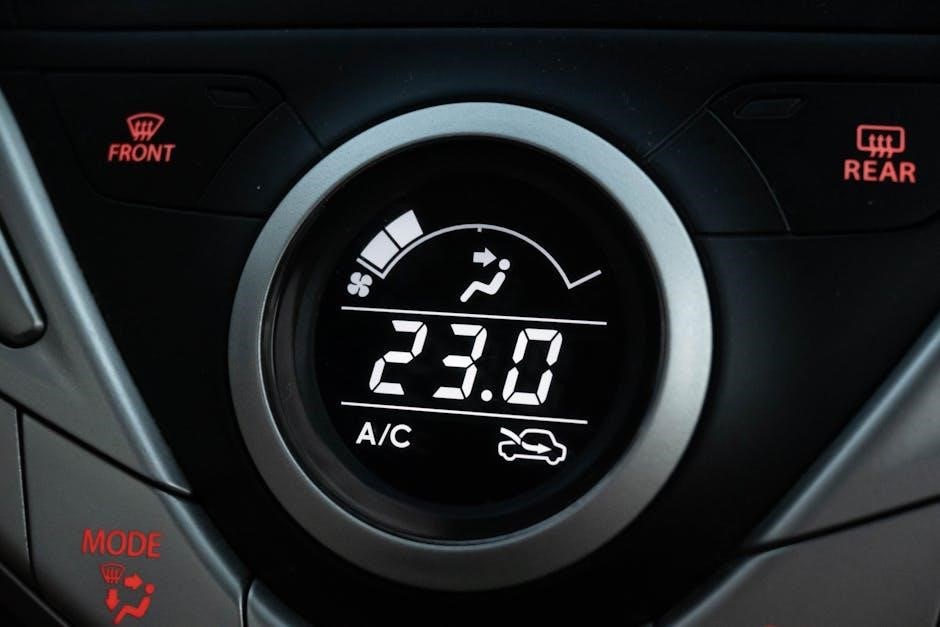
These charts are best suited for everyday use – cooking, weather – where minor discrepancies are inconsequential․ For scientific experiments or precise measurements, relying solely on a chart is discouraged; utilize a calculator or online converter․ Remember, chart accuracy is directly tied to its construction and the level of rounding applied;

Alternative Conversion Tools (Online Calculators)

While Celsius to Fahrenheit chart PDFs are convenient, online calculators provide superior accuracy and flexibility․ Numerous websites offer instant conversion, eliminating rounding errors inherent in charts․ These tools often allow for conversions beyond typical chart ranges and can handle decimal values with precision․

Benefits include ease of use – simply input the temperature – and accessibility from any device with internet access․ Many calculators also support reverse conversions (Fahrenheit to Celsius)․ For critical applications demanding exact temperatures, online calculators are the preferred method over relying on a static, potentially imprecise, PDF chart․

Chart Design and Readability

Effective Celsius to Fahrenheit chart design prioritizes clarity and ease of use․ A well-structured table format, with clearly delineated columns for Celsius and Fahrenheit values, is crucial․ Utilizing a legible font size – at least 10pt, ideally larger – ensures comfortable reading․

Consider using bolding or shading to distinguish column headers and key conversion points․ Logical ordering, typically ascending Celsius values, aids quick location of desired temperatures․ Avoiding excessive clutter and maintaining sufficient white space enhances readability․ A visually appealing chart encourages frequent use and minimizes conversion errors․

Printable Chart Features (Layout, Font Size)

Ideal printable Celsius to Fahrenheit charts feature a clean, organized layout․ A tabular format is standard, with Celsius values in one column and corresponding Fahrenheit values in another․ Font size should be a minimum of 10pt, but 12pt or larger is preferable for easy readability, especially for those with visual impairments․

Charts should fit comfortably on a standard 8․5 x 11 inch page․ Consider including key conversion points like freezing (0°C/32°F) and boiling (100°C/212°F)․ Clear column headers and borders enhance organization․ A simple, uncluttered design maximizes usability and minimizes printing costs․

The Value of a Celsius to Fahrenheit Chart
A Celsius to Fahrenheit chart, particularly in PDF format, remains a valuable tool despite readily available online converters․ These charts offer instant access to conversions without requiring an internet connection or device․ They are exceptionally useful in situations where quick reference is needed – cooking, scientific work, or outdoor activities․

Printable charts provide a tangible resource, easily posted in kitchens or labs․ Understanding the conversion process, facilitated by the chart, enhances practical skills․ Whether a simple table or a more detailed guide, a Celsius to Fahrenheit chart empowers users with temperature knowledge․

Resources and Further Reading
For comprehensive temperature conversion information, explore online resources like ClassicWriteDesign, offering customizable Fahrenheit to Celsius charts․ Numerous websites provide interactive converters, enabling quick temperature adjustments between scales – a useful supplement to static charts․

Educational platforms and scientific websites detail the history and scientific basis of Celsius and Fahrenheit scales․ To deepen understanding of temperature measurement, consider resources on thermal physics․ Printable chart templates are available through various design websites, allowing for personalized chart creation․ Remember to verify information from multiple sources for accuracy․


how to get a manual licence from an automatic qld

Queensland drivers with an automatic licence can upgrade to a manual, gaining versatility and control․ This involves a practical test and supervised practice, expanding driving capabilities․

The Rising Need for Manual Licences

Traditionally, many drivers learned on manual transmissions, but a shift towards automatic vehicles has created a gap․ However, a growing number of Queensland drivers now seek manual licences for increased vehicle choice and enhanced driving skills․ This demand stems from accessing vehicles unavailable in automatic, enjoying a more engaging driving experience, and preparing for potential overseas travel where manual transmissions are prevalent․

Furthermore, mastering a manual gearbox fosters a deeper understanding of vehicle mechanics and control․ The ability to drive both automatic and manual vehicles provides flexibility and confidence on the road, making drivers more adaptable to various situations and vehicle types․

Overview of Queensland’s Licensing System

Queensland’s licensing system operates on a progressive learning structure, starting with a learner permit, followed by a provisional licence, and culminating in an open licence․ Currently, a Queensland licence specifies the types of transmissions a driver is authorised to operate – automatic, manual, or both․ Holding an automatic licence doesn’t automatically grant permission to drive a manual vehicle․

Drivers with an existing automatic licence can undertake the process to add a manual transmission endorsement․ This involves demonstrating competency in a practical driving test specifically conducted in a manual vehicle, proving their ability to safely operate a vehicle with a manual gearbox․

Eligibility Criteria for a Manual Upgrade in QLD

QLD requires a valid automatic licence, a learner permit (if applicable), and meeting minimum age requirements to upgrade to a manual transmission endorsement․

Provisional vs․ Open Licence Holders

Queensland’s licensing system accommodates both provisional and open licence holders seeking a manual upgrade․ Regardless of your current licence stage, the core requirement remains consistent: successfully completing a practical driving test in a manual vehicle․ However, provisional licence holders must adhere to the restrictions associated with their provisional status during the learning and testing phases․

This includes displaying ‘L’ plates and complying with any passenger or nighttime driving limitations․ Open licence holders enjoy greater flexibility, but still need to demonstrate competency in a manual vehicle to obtain the endorsement․ The upgrade process is essentially the same for both groups, focusing on practical skill assessment․

Existing Automatic Licence Requirement

Queensland Transport permits drivers holding an automatic licence to learn to operate a manual transmission vehicle without immediately undertaking the practical test․ This authorization allows for supervised practice, building essential skills before assessment․ However, possessing an automatic licence doesn’t grant legal permission to drive a manual vehicle independently․

The automatic licence simply allows you to learn in a manual․ To legally drive a manual vehicle on Queensland roads, you must successfully pass the practical driving test specifically designed for manual transmissions, demonstrating proficiency and safe operation․ This upgrade expands your driving privileges․

Minimum Age and Learner Permit Status

To upgrade to a manual licence in Queensland, you must already hold a current Queensland provisional or open licence – an automatic licence is the prerequisite․ There isn’t a specific minimum age beyond the age requirements for obtaining your initial licence class․ However, if you’re still on a learner permit, you must meet all learner permit conditions․

You don’t need to return to a learner permit stage to gain a manual endorsement․ As long as your existing licence is valid, you can proceed directly to booking the practical manual driving test․ Ensure your learner permit hasn’t expired, if applicable․

Understanding the Legal Framework

Queensland Transport regulations permit automatic licence holders to learn and test in manual vehicles, broadening skillsets and offering greater driving flexibility legally․

Queensland Transport Regulations

Queensland Transport’s regulations clearly outline the pathway for drivers transitioning from an automatic to a manual licence․ Holders of a provisional or open licence are legally permitted to learn to operate a manual transmission vehicle, even if their current licence restricts them to automatics․

This authorisation extends to learning in any higher class of vehicle with a manual transmission․ However, it’s crucial to understand that this permission is specifically for learning purposes․ To legally drive a manual vehicle independently, successful completion of the practical driving test in a manual vehicle is mandatory, as dictated by Queensland Transport․

Authorisation to Learn in a Manual Vehicle

Queensland Transport provides a significant advantage to drivers wanting to upgrade: existing automatic licence holders receive automatic authorisation to learn in a manual vehicle․ This means you don’t need a separate learner’s permit specifically for a manual transmission․

You can immediately begin supervised practice with L plates affixed to a manual vehicle, gaining valuable experience․ This authorisation applies to learning in the same or any higher class of vehicle․ However, remember this is solely for learning; a successful practical test in a manual vehicle remains essential for full manual licence endorsement․

The Practical Driving Test: A Comprehensive Guide

Queensland’s manual test assesses safe, efficient operation․ Booking, vehicle compliance, and navigating challenging routes are key to successfully upgrading from an automatic licence․

Booking Your Manual Driving Test

To schedule your Queensland manual driving test, you must first ensure you meet all eligibility requirements, including holding a valid QLD provisional or open licence․ Booking is completed through the Queensland Transport website or by contacting a Queensland Transport Customer Service Centre directly․

Be prepared to provide your licence details and preferred test locations․ Availability can vary, so booking well in advance is highly recommended․ Remember that you’ll be tested in a manual vehicle, so ensure you have access to one that meets the required standards before your test date․ Confirm all booking details before finalizing․

Vehicle Requirements for the Test

The vehicle used for your Queensland manual driving test must be legally registered, insured, and roadworthy․ It needs to be a genuine manual transmission vehicle, functioning correctly with a fully operational clutch and gear system․ All safety features, including brakes, lights, indicators, and seatbelts, must be in perfect working order․

The vehicle must also display correctly fitted L plates․ It’s your responsibility to provide a suitable vehicle; Queensland Transport does not supply them․ Ensure the vehicle is clean and presentable for the examiner․ Any defects may result in test failure, so a pre-test check is advisable․

Common Test Routes and Challenges

Queensland’s manual driving test routes vary depending on the testing centre, often incorporating a mix of residential streets, arterial roads, and potentially highways․ Expect scenarios demanding precise gear changes, smooth clutch control, and confident hill starts․ Common challenges include navigating roundabouts, merging into traffic, and performing safe lane changes while maintaining appropriate speed․

Examiners assess your ability to handle unexpected situations, so anticipate potential hazards․ Practicing in diverse conditions and familiarizing yourself with local road rules are crucial․ Be prepared for emergency stop scenarios and demonstrate consistent observation skills throughout the test․

Essential Driving Skills for the Manual Test

Mastering clutch control, smooth gear shifting, and executing hill starts are vital․ Efficient emergency stops and overall vehicle coordination demonstrate competency for the QLD test․

Clutch Control and Coordination

Effective clutch control is paramount for a successful QLD manual licence test․ Smooth engagement and disengagement prevent stalling and jerky movements, demonstrating vehicle mastery․ Coordination between the clutch, accelerator, and gear lever is crucial for seamless transitions․

Practice finding the ‘bite point’ – where the clutch begins to engage – to initiate movement without rolling backward․ Consistent practice builds muscle memory, allowing for fluid gear changes․ Examiners assess your ability to maintain control during various maneuvers, emphasizing a smooth and coordinated driving experience․ Poor clutch control is a common fault, so dedicated practice is essential․

Gear Shifting Techniques

Mastering gear shifting is central to passing the QLD manual driving test․ Downshifting for corners and accelerating requires precise timing and technique․ Smooth, deliberate shifts demonstrate control and awareness of vehicle speed and engine load․ Avoid ‘crunching’ gears, indicating improper synchronization of engine and transmission speeds․

Practice shifting up and down through all gears, maintaining a consistent rhythm․ Learn to anticipate gear changes based on road conditions and speed limits․ Examiners evaluate your ability to select the appropriate gear for each situation, ensuring safe and efficient driving․ Correct gear selection is vital for hill starts and maintaining control․

Hill Starts and Emergency Stops

Hill starts in a manual vehicle demand coordination between the clutch, accelerator, and handbrake․ Preventing rollback is crucial; use the handbrake effectively while finding the ‘bite point’ of the clutch․ Smoothly release the handbrake as you apply power, avoiding stalling or jerking motions․

Emergency stops require quick reactions and proper technique․ Depress the clutch and brake pedals simultaneously, bringing the vehicle to a controlled stop․ Maintain steering control throughout the maneuver․ Examiners assess your ability to perform these safely and efficiently, demonstrating hazard perception and vehicle mastery․

Preparing for the Test: Practice and Resources

Supervised practice with L plates is essential, alongside considering professional driving lessons for targeted skill development and confidence before the QLD manual test․

Supervised Practice with L Plates

Queensland Transport mandates supervised practice with clearly displayed L plates for those upgrading from an automatic to a manual licence․ This allows learners to gain practical experience in a real-world setting, building essential skills like clutch control and gear shifting․

A licensed driver, holding an open licence for at least one year, must accompany the learner․ Focus on varied road conditions and practicing maneuvers crucial for the test – hill starts, emergency stops, and smooth gear changes․ Consistent, dedicated practice is key to mastering manual driving and building confidence before attempting the practical assessment․

Professional Driving Lessons (Recommended)

While not mandatory, professional driving lessons are highly recommended for a smoother transition to a manual licence in Queensland․ Qualified instructors provide structured guidance, addressing individual weaknesses and refining techniques․ They offer expert feedback on clutch control, gear selection, and overall coordination, accelerating the learning process․

Lessons can focus specifically on test preparation, familiarizing you with common routes and potential challenges․ An instructor can also assess your readiness, ensuring you’re confident and prepared before booking the practical assessment․ Investing in professional tuition significantly increases your chances of success․

Online Resources and Practice Materials

Supplementing practical experience with online resources can greatly enhance your preparation for the Queensland manual licence test․ Numerous websites and YouTube channels offer tutorials on clutch control, gear shifting, and hill starts․ These visual aids provide valuable demonstrations and explanations, reinforcing learned skills․

Practice quizzes and mock tests are available to assess your understanding of road rules and manual driving techniques․ Utilize these tools to identify areas needing improvement and build confidence․ Remember, online resources are best used in conjunction with supervised practice, not as a replacement․

Frequently Asked Questions (FAQs)

Common questions involve eligibility, test procedures, and the legality of driving a manual with an automatic licence in Queensland, all easily clarified․

Can I Drive a Manual Car with an Automatic Licence?

Legally, if you hold a Queensland provisional or open licence restricted to automatic transmissions, you can learn to drive a manual vehicle․ However, you are not authorised to drive a manual vehicle independently until you successfully pass the practical driving test in a manual transmission vehicle and receive the appropriate licence endorsement․

Essentially, your automatic licence permits you to practice in a manual, but it doesn’t grant you the legal right to operate one without the correct upgrade․ This ensures drivers possess the necessary skills and competence for safe manual vehicle operation on Queensland roads․

How Long Does the Upgrade Process Take?

The duration of upgrading from an automatic to a manual licence in Queensland varies significantly based on individual learning pace and practice frequency․ Some drivers may feel prepared after a few professional lessons combined with supervised practice, potentially completing the test within weeks․

However, others might require several months of consistent practice to gain sufficient confidence and skill․ Factors like prior driving experience and natural aptitude play a role․ Booking the test itself can also introduce delays, depending on availability at Queensland Transport․

What are the Costs Involved?

Upgrading to a manual licence in Queensland incurs several potential costs․ The primary expense is the practical driving test fee, currently around $88․80 as of late 2025․ Professional driving lessons, while recommended, vary in price – expect to pay roughly $70-$100 per hour․

Additional costs include vehicle rental for the test if you don’t have access to a suitable manual car, and potential fees for re-booking the test if unsuccessful․ Factor in the cost of logbook hours and L-plate display․ Budgeting approximately $300-$600 is advisable․

Common Mistakes to Avoid During the Test

Avoid stalling, incorrect gear selection, and poor observation․ These errors are frequent causes of failure during the Queensland manual driving test, hindering a successful upgrade․

Stalling the Vehicle

Stalling is a remarkably common error during the Queensland manual driving test, often stemming from insufficient clutch control or improper gear selection․ Examiners understand initial hesitation, but repeated stalls demonstrate a lack of vehicle mastery․

To mitigate this, practice smooth clutch engagement and disengagement, coordinating it precisely with accelerator input․ Anticipate stops and downshifts, preventing the engine from losing power․ Remember, a momentary stall isn’t catastrophic, but frequent occurrences will significantly impact your assessment․ Focus on maintaining momentum and smooth transitions between gears to avoid this critical mistake․

Incorrect Gear Selection

Incorrect gear selection is a frequent downfall for drivers transitioning from automatic to manual in Queensland․ Choosing the wrong gear impacts vehicle control, smoothness, and safety․ Examiners assess your ability to select appropriate gears for varying speeds and road conditions․

Practice recognizing when to upshift or downshift based on engine RPM and vehicle speed․ Avoid lugging the engine in too high a gear or over-revving in too low a gear․ Smooth, timely gear changes demonstrate proficiency․ Prioritize selecting the gear that provides optimal power and control for the situation, showcasing a comprehensive understanding of manual transmission principles․

Poor Observation and Road Awareness

Poor observation and diminished road awareness are critical errors during the Queensland manual licence test․ Mastering a manual transmission requires focused attention; neglecting surroundings is dangerous․ Examiners evaluate your ability to scan for hazards, anticipate traffic movements, and react appropriately․

Regularly check mirrors, blind spots, and intersections․ Demonstrate awareness of pedestrians, cyclists, and other vehicles․ Smooth gear changes shouldn’t distract from maintaining situational awareness․ Proactive observation, combined with correct gear selection, proves a safe and competent driver, essential for passing the test․

Post-Test Procedures and Licence Issuance

Upon successful completion, immediate results are typically provided․ Your manual licence will then be issued, granting expanded driving privileges throughout Queensland․

Receiving Your Results

Following the completion of your manual driving test in Queensland, the assessing officer will typically inform you of your results immediately․ This immediate feedback allows for a quick understanding of whether you’ve successfully met the required standards for a manual licence upgrade;

If you are successful, congratulations! If, however, you are unsuccessful, the officer will provide constructive feedback outlining areas for improvement․ This feedback is invaluable for focused practice before re-testing․ Regardless of the outcome, you’ll receive official notification regarding the next steps, including re-test booking procedures if necessary․

Obtaining Your Manual Licence

Upon successfully passing the Queensland manual driving test, obtaining your updated licence is a straightforward process․ If you passed with a digital licence, your manual transmission authorization will be automatically added to your digital record․

For those with a physical licence, you’ll generally receive a new licence card in the mail within a few business days, reflecting your expanded driving privileges․ Ensure your address is current with Queensland Transport to avoid delays․ This new card confirms your legal ability to operate vehicles with a manual transmission․

Resources and Links

Access Queensland Transport’s website for official guides and approved driving school listings to facilitate your manual licence upgrade process effectively․

Queensland Transport Website

The Queensland Transport website (qld․gov․au/transport) is the central hub for all information regarding driver licensing, including upgrading from an automatic to a manual transmission․ Here, you’ll find the official Queensland Driver’s Handbook, detailing rules, regulations, and safe driving practices essential for the practical test․

Specifically, search for “manual transmission upgrade” to locate dedicated resources outlining eligibility criteria, required documentation, and booking procedures for the practical assessment․ The website also provides access to practice tests and helpful guides to prepare you for the challenges of driving a manual vehicle․ Regularly check for updates to ensure you have the most current information․

Approved Driving Schools in Queensland

Enrolling with an approved driving school in Queensland offers structured lessons tailored to mastering manual transmission․ These schools employ qualified instructors experienced in guiding drivers through the specific skills needed for the upgrade test, including clutch control, gear shifting, and hill starts․

They provide dual-control vehicles ensuring safety during learning, and can offer personalized feedback to address individual weaknesses․ Searching online for “approved driving schools QLD manual lessons” will yield a list of options․ Professional instruction significantly increases your chances of passing the practical assessment and becoming a confident manual driver․

csiro total wellbeing diet pdf

CSIRO Total Wellbeing Diet⁚ A Comprehensive Overview

The CSIRO Total Wellbeing Diet is a scientifically formulated, high-protein, low-GI eating plan designed for sustainable weight loss and improved health. It combines delicious meal plans with powerful online tools and an app for convenient tracking and support. Numerous resources, including books and recipes, are available.

The Science Behind the CSIRO Total Wellbeing Diet

The CSIRO Total Wellbeing Diet’s foundation lies in scientific research conducted by Australia’s national science agency. It emphasizes a high-protein, low-glycemic index (GI) approach, promoting satiety and stable blood sugar levels. This reduces cravings and helps maintain consistent energy. The program incorporates principles of behavioral change, recognizing the importance of lifestyle adjustments for long-term success. Research suggests this combination leads to significant weight loss and improved metabolic health. The diet’s effectiveness is further enhanced by its use of online tools and a supportive community, fostering accountability and adherence. Studies show participants experience substantial fat loss, especially when combined with resistance exercise. The CSIRO Total Wellbeing Diet is not just a diet; it’s a scientifically-backed, holistic approach to sustainable weight management.

The CSIRO Total Wellbeing Diet Plan⁚ A 12-Week Program

The CSIRO Total Wellbeing Diet is structured as a 12-week online program, guiding participants through a scientifically-designed weight-loss journey. This structured approach provides a detailed meal plan, emphasizing high-protein, low-GI foods to help manage hunger and blood sugar levels. The program utilizes online tools for tracking progress, logging meals, and monitoring weight changes. Personalized support and resources are often included to help users stay motivated and on track. The 12-week framework is not just about immediate weight loss; it’s designed to build sustainable healthy eating habits. Beyond the initial 12 weeks, the program encourages long-term commitment to the principles learned. Participants are empowered to integrate the dietary and lifestyle changes into their lives for lasting results, moving beyond the confines of a temporary diet.

The CSIRO Total Wellbeing Diet App⁚ A Convenient Companion

Complementing the online program, the CSIRO Total Wellbeing Diet app offers a user-friendly interface for managing the diet plan on the go. This mobile application allows users to easily access their daily meal plans, swap meals as needed, and track their weight loss progress. The app serves as a convenient tool for logging food intake, ensuring adherence to the program’s guidelines. Features often include recipe suggestions and a built-in food database to simplify meal planning. The app’s design aims to simplify the process of tracking key metrics, promoting consistent engagement with the diet. This digital companion enhances the overall user experience, providing readily accessible support and making the program more manageable in daily life. Regular updates and improvements to the app’s features suggest an ongoing commitment to user satisfaction and program effectiveness.

Food Groups and Meal Planning

The CSIRO Total Wellbeing Diet emphasizes lean protein, whole grains, and plenty of fruits and vegetables. Detailed meal plans and recipes are provided to guide participants through the program.

Meat and Protein Sources in the CSIRO Diet

The CSIRO Total Wellbeing Diet prioritizes lean protein sources for satiety and muscle maintenance. Recommended meats include lean beef, lamb (consumed in moderation, up to 200g three times weekly), and chicken. Fish is another key component, with at least two servings suggested per week. These choices provide essential amino acids, supporting both weight management and overall health. Plant-based protein sources also play a vital role. Tofu, legumes, and pulses offer diverse options for vegetarians and those seeking to reduce their meat intake. The diet’s emphasis on varied protein sources ensures a well-rounded nutritional profile, optimizing weight loss and long-term health benefits. Careful portion control is vital, aligning with the diet’s overall calorie and macronutrient recommendations. It’s crucial to select lean cuts of meat and prepare them using healthy cooking methods to minimize added fats and calories. The detailed meal plans and recipes provided within the CSIRO resources offer guidance on portion sizes and preparation techniques.

Bread, Cereals, and Grains Recommended in the CSIRO Diet

The CSIRO Total Wellbeing Diet emphasizes low-glycemic index (GI) whole grains and high-fiber options for sustained energy and improved digestive health. Recommended choices include Burgen breads, known for their high fiber content and lower GI value compared to many white breads. A variety of cereals, prioritizing those with whole grains and added fiber, are also included. Other suitable options encompass various types of rice, pasta, noodles, polenta, quinoa, and barley. These selections provide essential nutrients and fiber, contributing to feelings of fullness and aiding in weight management. The diet promotes mindful consumption of these carbohydrate sources, emphasizing portion control to maintain a balanced macronutrient profile. Detailed meal plans and recipes within the CSIRO resources guide participants in selecting and incorporating these grains effectively, ensuring a healthy and sustainable approach to carbohydrate intake. The focus on whole grains minimizes rapid blood sugar spikes, promoting steady energy levels and preventing cravings that could hinder weight loss progress. The selection of high-fiber options aids in digestive regularity and overall gut health.

Success Stories and Research

The CSIRO Total Wellbeing Diet boasts numerous weight-loss success stories and is supported by scientific studies showing significant fat loss, particularly when combined with resistance exercise. Many testimonials highlight improved health and sustained weight management.

Weight Loss Results and Testimonials

The CSIRO Total Wellbeing Diet’s effectiveness is evidenced by numerous weight loss success stories shared by participants. Testimonials highlight significant and sustained weight reduction, often accompanied by improvements in overall health and well-being. Many individuals report reduced cravings and increased energy levels, contributing to long-term adherence to the program. The diet’s structured approach, combined with the support of online tools and potentially a community aspect, fosters accountability and motivation. While individual results vary, consistent themes emerge⁚ achieving significant weight loss goals, maintaining the weight loss over time, and experiencing a positive shift in lifestyle habits. These positive experiences underscore the program’s potential to facilitate lasting changes in eating behaviors and contribute to improved health outcomes. The readily available online resources and community support further enhance the program’s efficacy and contribute to the positive experiences of its users. These reported successes contribute to the diet’s widespread popularity and reputation for producing meaningful and lasting results.

Scientific Studies Supporting the CSIRO Diet

The CSIRO Total Wellbeing Diet’s efficacy is backed by scientific research. Studies have shown that participants following the high-protein, low-glycemic index (GI) plan experienced significant weight loss compared to those on other diets. Research indicates that this approach leads to greater fat mass reduction, especially when combined with resistance exercise. One study involving over three thousand participants demonstrated substantial weight loss and improved health markers. The CSIRO’s own research emphasizes the importance of personalized goal setting and financial incentives in enhancing long-term adherence and success. These findings highlight the diet’s scientific basis and its ability to deliver tangible results. Furthermore, the program’s integration of online tools for tracking and support contributes to its effectiveness, providing participants with the resources needed for sustainable lifestyle changes. The scientific backing and robust research contribute to the diet’s credibility and appeal, making it a scientifically-supported approach to weight management.

Addressing Common Concerns

This section addresses frequently asked questions, such as troubleshooting weight loss plateaus and clarifying daily calorie intake and macronutrient ratios within the CSIRO Total Wellbeing Diet.

Troubleshooting Weight Loss Plateaus

Hitting a weight-loss plateau on the CSIRO Total Wellbeing Diet is common. Several factors can contribute, including decreased physical activity, hormonal fluctuations, or simply needing a dietary refresh. If weight loss stalls, review your adherence to the meal plan. Are you consistently following portion sizes and recipe guidelines? Consider increasing your exercise intensity or duration. Explore adding variety to your meals; incorporating different recipes and foods within each food group can help break through plateaus. Remember, consistency is key, and minor adjustments can often reignite weight loss progress. Don’t be discouraged; consult the program materials or a healthcare professional for personalized guidance. The CSIRO Total Wellbeing Diet provides extensive support to help you overcome these challenges and achieve your goals. Remember to focus on overall health improvements, not just the number on the scale;

Calorie Intake and Macronutrient Ratios

The CSIRO Total Wellbeing Diet doesn’t explicitly state a fixed daily calorie count, instead focusing on a balanced macronutrient distribution. Daily calorie intake varies depending on individual needs and goals, typically ranging from 1500 to 2500 calories (6000-10,000 kJ). The diet emphasizes a higher protein intake to promote satiety and preserve lean muscle mass during weight loss. This approach helps curb cravings and maintain energy levels throughout the day. Carbohydrates are primarily from low-glycemic index (GI) sources to regulate blood sugar and prevent energy crashes. Healthy fats are included in moderation. Precise macronutrient ratios aren’t rigidly defined but prioritize protein, followed by carbohydrates, and then fats. Remember, individual needs vary, and consulting the provided resources or a healthcare professional can help determine the optimal calorie and macronutrient balance for your unique circumstances.

Accessing the CSIRO Total Wellbeing Diet

The CSIRO Total Wellbeing Diet resources, including books, apps, and online programs, are readily available for purchase through various online retailers and the official CSIRO website. Explore options to find the best fit for your needs.

Where to Purchase the CSIRO Total Wellbeing Diet Resources

Acquiring the CSIRO Total Wellbeing Diet resources is straightforward. The primary method is through the official CSIRO website, offering direct access to the program’s digital components, including the app and online meal planner. This ensures you receive the most up-to-date version and access to member support. Alternatively, various online retailers, such as Amazon and other booksellers, stock the CSIRO Total Wellbeing Diet books, offering printed copies for those preferring a physical format. These retailers may also sell supplementary materials, such as recipe books. For those seeking a more hands-on approach, some bookstores might carry the printed materials. Remember to check for current pricing and availability before purchasing. Local health food stores or pharmacies may also stock the books. Always verify the authenticity of your purchase from reputable sources.