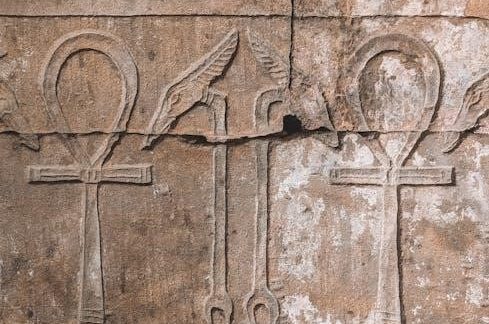
Ancient Egyptian symbolism‚ deeply rooted in their worldview‚ permeated all aspects of life‚ from monumental architecture to everyday objects.
These potent hieroglyphic representations‚ originating before Egypt’s unification around 2800 BC‚ conveyed complex religious beliefs and societal structures.
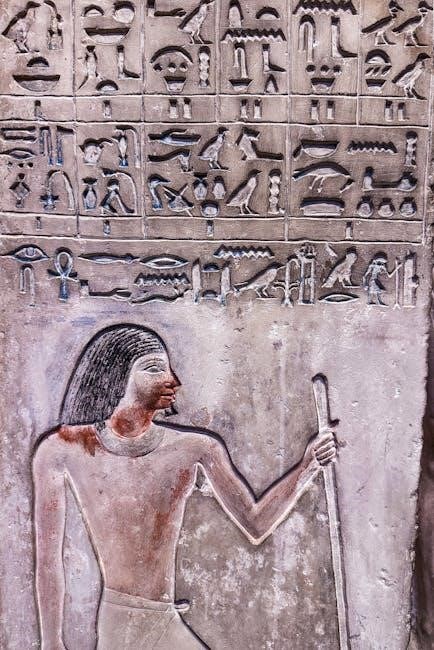
The discovery of Pyramid Texts in 1881‚ etched into pyramid walls‚ revealed early examples of this sacred writing and symbolic thought.
Understanding these visual languages – like the Ankh or Scarab – unlocks insights into ancient Egyptian culture‚ power‚ and the afterlife’s mysteries;
Historical Context of Egyptian Symbolism
Egyptian symbolism didn’t emerge in isolation; it evolved over millennia‚ deeply intertwined with the nation’s political and religious transformations. Its earliest manifestations predate unified Egypt‚ potentially originating in rival royal courts during the late fourth millennium BC.
The development of hieroglyphic writing around 2800 BC was pivotal‚ providing a medium to record and disseminate symbolic meanings. Initially etched onto stone within temples and tombs‚ these symbols weren’t merely decorative; they were integral to religious rituals and royal authority.
The Old Kingdom witnessed the standardization of many key symbols‚ reflecting a centralized belief system. Later periods‚ like the New Kingdom‚ saw the addition of new symbols and nuanced interpretations. The discovery of the Pyramid Texts in 1881‚ dating back approximately 4000 years‚ offered invaluable insight into the early symbolic landscape‚ revealing a complex cosmology focused on the afterlife and the pharaoh’s divine role.
Throughout Egyptian history‚ symbols adapted‚ reflecting changing theological perspectives and political power dynamics‚ yet always retaining a core connection to ancient beliefs.
The Significance of Symbols in Ancient Egyptian Life
Symbols were utterly pervasive in ancient Egyptian life‚ extending far beyond religious contexts. They weren’t simply artistic motifs but fundamental components of communication‚ belief‚ and social order. From monumental architecture like pyramids and temples to personal adornments‚ symbols conveyed meaning and reinforced cultural values.
Hieroglyphs‚ themselves symbolic representations‚ were used to record history‚ religious texts (like those found in the Pyramid Texts)‚ and everyday transactions. The symbols offered protection‚ ensured prosperity‚ and facilitated the journey to the afterlife.
The Ankh‚ representing life‚ and the Scarab Beetle‚ symbolizing rebirth‚ were common amulets worn for protection and good fortune. Even color held symbolic weight‚ influencing artistic choices and ritual practices. Understanding these symbols is crucial to interpreting Egyptian art‚ literature‚ and religious beliefs‚ offering a window into their worldview and the importance they placed on maintaining cosmic balance.
Hieroglyphs: The Sacred Writing
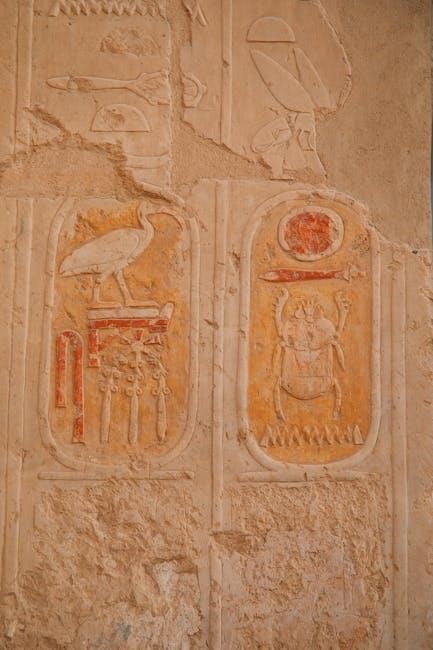
Hieroglyphic writing‚ appearing around 2800 BC‚ wasn’t merely a script; it was considered a sacred gift from the gods‚ embodying divine power and knowledge.
Origins and Evolution of Hieroglyphic Writing
The genesis of hieroglyphs remains somewhat enigmatic‚ with no definitive inventor identified. Archaeological evidence suggests the system likely emerged from competing royal courts during the late fourth millennium BC‚ predating a unified Egypt. Initially‚ these early forms weren’t a fully developed writing system‚ but rather a collection of pictorial representations.
Over time‚ these pictorial symbols gradually evolved into a more complex system capable of expressing abstract ideas and grammatical structures. This evolution involved incorporating both ideograms (pictures representing concepts) and phonograms (pictures representing sounds). The earliest fully formed sentences are dated to approximately 2800 BC‚ marking a significant milestone in the development of written communication.
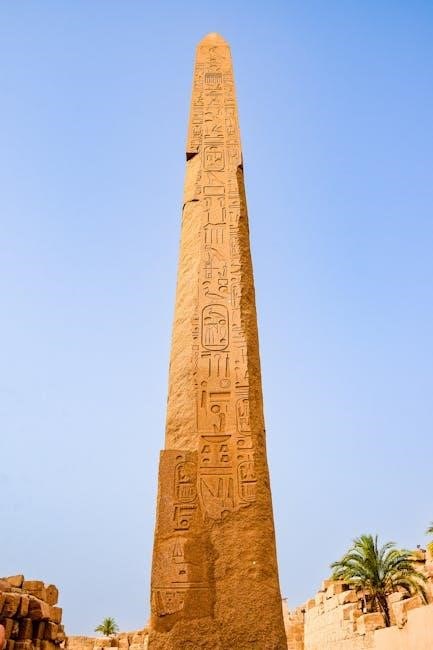
Hieroglyphic writing was primarily used for religious and monumental purposes‚ adorning temple walls‚ tombs‚ and obelisks. Its intricate nature and association with the divine ensured its preservation as a sacred art form for over three millennia‚ undergoing subtle changes but maintaining its core principles.
Decoding Hieroglyphs: A Brief Overview
Deciphering hieroglyphs presented a formidable challenge for centuries. The key to unlocking their secrets arrived with the discovery of the Rosetta Stone in 1799‚ bearing inscriptions in hieroglyphic‚ demotic‚ and ancient Greek. This trilingual text provided a crucial comparative basis for understanding the previously enigmatic symbols.
Scholars‚ notably Jean-François Champollion‚ meticulously compared the Greek text with the hieroglyphic and demotic versions‚ recognizing that hieroglyphs functioned not only as pictograms – representing objects – but also as phonograms – representing sounds. This realization was pivotal in establishing a system for translating the ancient script.
Understanding hieroglyphs requires recognizing that they could be read in multiple directions‚ typically from right to left‚ left to right‚ or top to bottom‚ indicated by the facing direction of the animal or human figures. Modern resources‚ like Brian Pellham’s “Egyptian Hieroglyphics and Their Meanings‚” offer accessible guides for enthusiasts.
Hieroglyphs as Pictograms and Phonograms
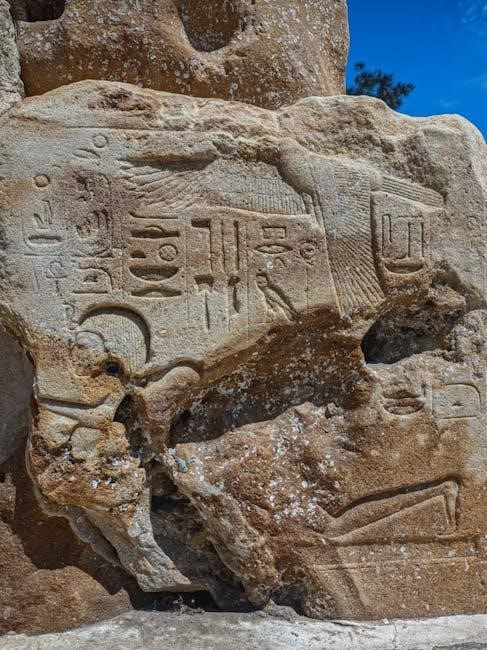
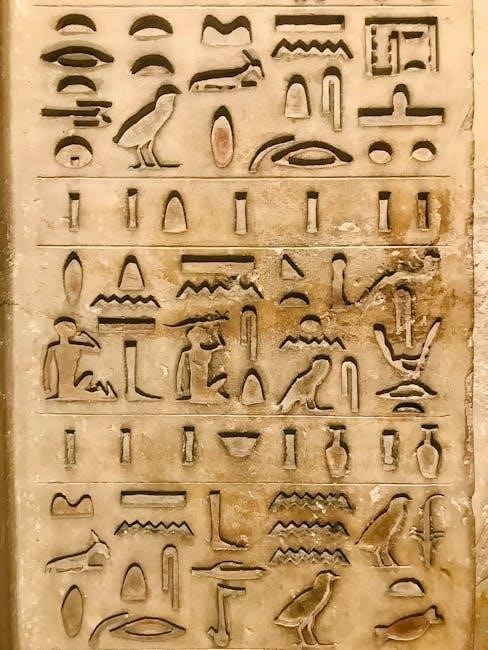
Egyptian hieroglyphs uniquely blended pictorial and phonetic elements‚ functioning as both pictograms – representing objects directly – and phonograms – representing sounds. A single glyph could embody multiple layers of meaning‚ adding complexity to the writing system.
For instance‚ a depiction of an owl could represent the bird itself (pictogram) but also the sound “m” (phonogram)‚ depending on its context within a word. This duality allowed for nuanced expression and abstract concepts to be conveyed through visual means.
The creators of these ancient symbols intentionally utilized this system‚ expressing verbs and nouns through phonetic sound values embedded within the pictorial representations. This innovative approach enabled a sophisticated level of communication‚ documented extensively on temple walls‚ tombs‚ and monuments dating back to around 2800 BC.
Key Egyptian Symbols and Their Meanings
Ancient Egyptians imbued objects and imagery with profound significance‚ creating a rich symbolic language reflecting their beliefs about life‚ death‚ and the cosmos.
Symbols like the Ankh‚ Scarab‚ and Eye of Horus weren’t mere decorations; they were potent representations of core religious and philosophical concepts.
The Ankh: Symbol of Life
The Ankh‚ arguably the most recognizable Egyptian symbol‚ represents “life” itself – not merely earthly existence‚ but eternal life and the breath of immortality.
Depicted as a looped cross‚ its origins remain debated‚ though it likely evolved from a hieroglyphic sign representing the sandal strap‚ subtly connecting it to the journey of life.
Frequently seen held by deities or offered to pharaohs‚ the Ankh symbolized divine power and the gift of life bestowed upon rulers‚ ensuring their continued existence in the afterlife.
Its presence in tomb decorations and funerary objects underscored the Egyptian belief in resurrection and the promise of eternal life beyond death‚ a central tenet of their faith.
The Ankh’s loop often represents the female principle‚ while the cross symbolizes the male‚ uniting to create the essence of life and continuous renewal. It embodies the cyclical nature of existence.
Beyond its religious connotations‚ the Ankh also signified well-being‚ health‚ and protection‚ making it a powerful amulet worn by both royalty and commoners alike‚ seeking blessings and longevity.
The Scarab Beetle: Symbol of Rebirth and Transformation
The Scarab beetle‚ Scarabaeus sacer‚ held profound significance for the ancient Egyptians‚ embodying themes of rebirth‚ renewal‚ and transformation. This stemmed from observing the beetle rolling dung balls across the ground.
They likened this action to the sun god Ra rolling the sun across the sky each day‚ representing the daily cycle of death and resurrection‚ and the continuous journey of creation.
The beetle was believed to spontaneously generate from the dung‚ symbolizing self-creation and the power of spontaneous generation – a concept central to their cosmology.
Scarab amulets‚ often crafted from stone or faience‚ were incredibly popular‚ worn for protection and to ensure rebirth in the afterlife. They were frequently placed over the heart during mummification.
Hieroglyphic inscriptions on the underside of scarabs often included prayers or spells intended to aid the deceased in their journey through the underworld‚ guaranteeing a successful transition.
The scarab’s association with Khepri‚ the god of the rising sun‚ further reinforced its connection to creation‚ renewal‚ and the promise of a new dawn after darkness.
The Eye of Horus: Protection‚ Health‚ and Restoration
The Eye of Horus‚ also known as the Wedjat eye‚ is one of the most recognizable symbols from ancient Egypt‚ representing protection‚ royal power‚ and good health. Its origins lie in the myth of Horus‚ the falcon-headed god.
During a battle with his uncle Seth‚ Horus lost his left eye‚ which was magically restored by Thoth‚ the god of wisdom and writing. This restoration symbolized healing and completeness.
The eye was believed to possess powerful protective qualities‚ warding off evil spirits and ensuring well-being. Amulets depicting the Eye of Horus were commonly worn by both the living and the deceased.
In funerary contexts‚ the Wedjat eye was often placed within mummy wrappings to safeguard the deceased on their journey through the afterlife‚ ensuring their resurrection.
Furthermore‚ the eye’s components were mathematically linked to fractions‚ used in measuring grain and other commodities‚ demonstrating its practical applications beyond purely religious symbolism.
The Eye of Horus embodies wholeness‚ healing‚ and the triumph of good over evil‚ remaining a potent symbol of ancient Egyptian beliefs.
The Djed Pillar: Stability and Endurance
The Djed pillar is a striking symbol in ancient Egyptian iconography‚ representing stability‚ endurance‚ and permanence. Visually‚ it resembles a column with a broad base and four parallel lines running up its length‚ often topped with a hieroglyphic symbol.
The symbol is strongly associated with the god Osiris‚ representing his spine. According to myth‚ Osiris’ spine was scattered by his brother Seth‚ and the Djed pillar symbolized its restoration‚ signifying resurrection and continued existence.
Rituals involving the “raising of the Djed” were significant ceremonies performed annually‚ particularly in connection with the agricultural cycle and the renewal of life. These ceremonies aimed to ensure the continued stability of the kingdom.
Amulets shaped like the Djed pillar were frequently worn for protection and to invoke the god Osiris’s power‚ ensuring strength and resilience in the face of adversity.
The Djed pillar’s presence in temple decoration and funerary art underscores its importance in maintaining cosmic order and guaranteeing a stable afterlife for the deceased.
Ultimately‚ the Djed pillar embodies the enduring principles of stability and the cyclical nature of life‚ death‚ and rebirth.
The Was Scepter: Power and Dominion
The Was scepter is a distinctive symbol of power‚ dominion‚ and control in ancient Egyptian art and religious belief. It’s depicted as a long staff‚ often with a slightly curved or forked end‚ frequently held by deities and pharaohs;
This scepter wasn’t merely a symbol of authority; it represented the power to maintain Ma’at – the cosmic order‚ truth‚ and justice. Gods like Set and Anubis are often shown carrying the Was scepter‚ demonstrating their control over their respective domains.
For pharaohs‚ wielding the Was scepter signified their divine right to rule and their responsibility to uphold the established order within Egypt. It was a visual declaration of their authority.
Funerary contexts frequently feature the Was scepter‚ placed in tombs to ensure the deceased’s power and status continued into the afterlife‚ allowing them to navigate the underworld successfully.
The scepter’s association with strength and control extended beyond the earthly realm‚ representing the ability to overcome chaos and ensure continued existence.
Ultimately‚ the Was scepter embodies the potent combination of divine authority and the responsibility to maintain cosmic balance.
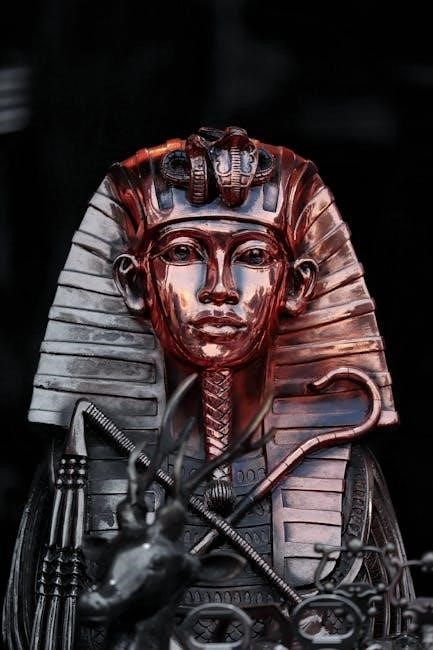
The Crook and Flail: Kingship and Authority
The crook and flail are iconic symbols inextricably linked to ancient Egyptian kingship and the pharaoh’s authority. The crook‚ resembling a shepherd’s staff‚ represents the pharaoh’s role as the shepherd of his people‚ guiding and protecting them.
The flail‚ originally an agricultural tool for threshing grain‚ symbolizes the pharaoh’s provision and sustenance for Egypt‚ ensuring bountiful harvests and prosperity. Together‚ they embody the dual role of protector and provider.
These implements weren’t merely emblems; they signified the pharaoh’s divine connection to Osiris‚ the god of the afterlife and resurrection‚ who was also depicted with these symbols.
Visual representations consistently show pharaohs holding the crook and flail in formal portraits and during ceremonial occasions‚ reinforcing their legitimacy and power.
In funerary contexts‚ the inclusion of the crook and flail within a tomb guaranteed the deceased pharaoh’s continued authority and ability to rule in the afterlife.
The combination powerfully communicated the pharaoh’s responsibility to care for and govern Egypt‚ both in life and beyond.
Symbols in Egyptian Art and Architecture
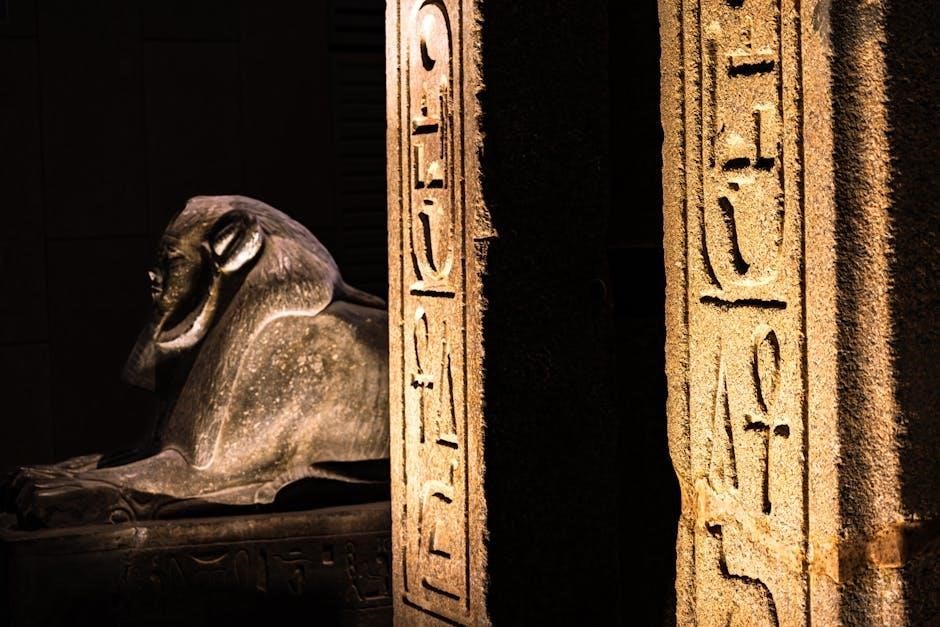
Egyptian art and architecture extensively utilized symbolism‚ embedding profound meanings within structures like pyramids and temple decorations.
Hieroglyphic inscriptions and color choices weren’t merely aesthetic; they conveyed religious beliefs and reinforced the pharaoh’s divine authority.
Symbolism in Pyramid Construction
Pyramids‚ iconic structures of ancient Egypt‚ were far more than elaborate tombs; they were potent symbols deeply interwoven with religious beliefs about the afterlife and the pharaoh’s divine status.
The very shape of the pyramid‚ rising towards the sky‚ represented the primordial mound – Benben – from which creation arose‚ and symbolized the sun’s rays descending to Earth‚ facilitating the pharaoh’s ascent to join the gods.
Orientation played a crucial role‚ often aligning with cardinal directions or specific stars‚ reflecting astronomical knowledge and a connection to cosmic order. Internal chambers and passageways weren’t random; their layout mirrored the journey of the deceased through the underworld.
Hieroglyphic inscriptions within the pyramids‚ particularly in the Pyramid Texts discovered at Saqqara‚ detailed spells and rituals intended to aid the pharaoh’s successful transition to the afterlife‚ further emphasizing the symbolic importance of the structure itself. The pyramid’s construction‚ therefore‚ was a sacred act‚ embodying the core tenets of Egyptian cosmology and ensuring the king’s eternal existence.
Symbolic Representations in Temple Decoration
Egyptian temples weren’t simply places of worship; they were meticulously designed microcosms of the universe‚ richly adorned with symbolic representations intended to connect the earthly realm with the divine.
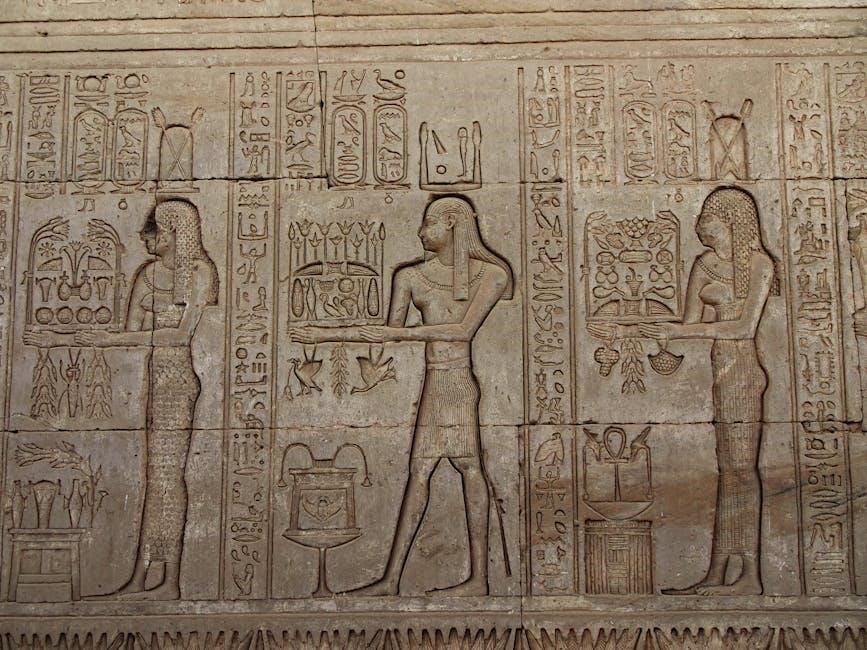
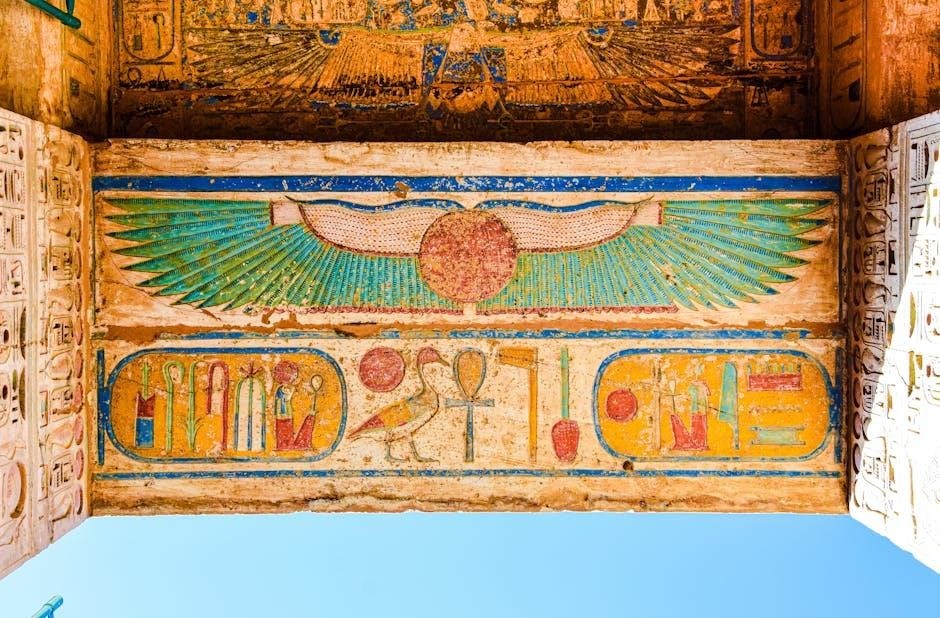
Walls‚ columns‚ and ceilings served as canvases for hieroglyphic narratives‚ depicting scenes of pharaohs interacting with gods‚ religious rituals‚ and mythological events. These weren’t mere illustrations‚ but powerful spells and affirmations of cosmic order.
Recurring motifs like the lotus flower (representing rebirth)‚ the scarab beetle (transformation)‚ and the djed pillar (stability) reinforced core religious beliefs. The placement of these symbols was deliberate‚ often aligning with astronomical phenomena or sacred geography.
Temple decoration also employed a sophisticated system of color symbolism‚ with each hue carrying specific meaning. The use of these visual elements transformed temples into vibrant‚ multi-layered expressions of Egyptian faith‚ designed to invoke divine presence and ensure the continuation of Ma’at – truth‚ justice‚ and cosmic balance.
The Use of Color Symbolism
Color played a crucial role in ancient Egyptian symbolism‚ extending far beyond mere aesthetics. Each hue possessed specific religious and cultural connotations‚ deeply embedded in their worldview and utilized extensively in art‚ architecture‚ and funerary practices.
Red‚ associated with the sun god Ra and the life force‚ symbolized vitality‚ victory‚ and sometimes‚ destruction. Green represented regeneration‚ fertility‚ and the lush vegetation of the Nile Valley‚ embodying new life and growth.
Blue‚ mirroring the heavens and the Nile’s life-giving waters‚ signified creation‚ rebirth‚ and protection. Yellow‚ the color of gold‚ was linked to the eternal and indestructible‚ representing the sun’s imperishable nature and divine power.
Black symbolized death and the fertile darkness of the underworld‚ while white represented purity and sacredness. These colors weren’t applied randomly; their deliberate use reinforced the symbolic meaning of images and narratives‚ creating a powerful visual language.
The Pyramid Texts and Symbolism
Discovered in 1881 at Saqqara‚ these hieroglyphic inscriptions—dating back 4000 years—represent the world’s earliest extensive religious texts.
They reveal complex symbolic themes relating to the pharaoh’s journey to the afterlife‚ utilizing potent imagery and sacred language.
The Discovery and Importance of the Pyramid Texts
The Pyramid Texts‚ a monumental find in Egyptology‚ were first discovered in 1881 by Gaston Maspero within the pyramids at Saqqara. These weren’t grand‚ visually stunning depictions like temple reliefs‚ but rather intricate hieroglyphic inscriptions carved onto the walls of the inner chambers‚ specifically within the pyramids of pharaohs and queens of the Old Kingdom.
Prior to this discovery‚ our understanding of ancient Egyptian religious beliefs surrounding death and the afterlife was largely based on later texts like the Book of the Dead. The Pyramid Texts provided an unprecedented glimpse into the earliest formalized religious concepts‚ dating back approximately 4000 years. They represent a crucial evolutionary step in Egyptian funerary literature.
Their importance lies in revealing the complex spells‚ hymns‚ and rituals intended to ensure the pharaoh’s successful transition to the afterlife and their continued power in the realm of the gods. These texts demonstrate a sophisticated theological system‚ utilizing symbolism and language to navigate the perilous journey beyond death. They are invaluable for deciphering the core beliefs that shaped ancient Egyptian civilization.
Hieroglyphic Inscriptions within the Pyramid Texts
The hieroglyphic inscriptions composing the Pyramid Texts are not merely decorative; they are meticulously crafted spells and declarations intended to aid the deceased ruler’s journey through the underworld. These inscriptions‚ etched into the stone walls of the pyramid chambers‚ utilize the full complexity of the ancient Egyptian writing system – a combination of pictograms and phonograms.
The texts aren’t presented in a linear narrative fashion‚ but rather as a collection of individual utterances‚ each serving a specific purpose. They detail the pharaoh’s ascent to the heavens‚ their identification with various deities (like Ra and Osiris)‚ and their overcoming of obstacles designed to prevent their resurrection.
Analyzing these hieroglyphs reveals a deep understanding of ancient Egyptian cosmology and religious beliefs. The phonetic sound value of each symbol was carefully considered‚ reflecting both its visual meaning and its spoken form. Deciphering these inscriptions is crucial for understanding the symbolic language and the intended magical effects of the spells contained within.
Symbolic Themes within the Pyramid Texts
Central to the Pyramid Texts are recurring symbolic themes revolving around death‚ rebirth‚ and the pharaoh’s divine status. The concept of transformation is paramount‚ mirroring the daily journey of the sun god Ra across the sky and his nightly descent into the underworld. This journey serves as a potent metaphor for the pharaoh’s own post-mortem experience.
The texts frequently employ animal symbolism‚ associating the king with powerful creatures like the bull (strength)‚ the falcon (kingship)‚ and the serpent (renewal). These associations reinforce the pharaoh’s connection to the natural world and the divine realm.
Furthermore‚ the overcoming of chaos and the establishment of order (Ma’at) are prominent motifs. The pharaoh is depicted battling forces of darkness and ultimately achieving victory‚ ensuring cosmic balance. The hieroglyphic representations themselves are imbued with symbolic meaning‚ acting as potent magical tools to facilitate this process of rebirth and ascension.
Resources for Further Study
Explore Brian Pellham’s “Egyptian Hieroglyphics and Their Meanings” for a concise reference. Online databases and academic articles offer deeper insights into symbolism.
Recommended Books on Egyptian Symbols
Delving into the world of Egyptian symbolism requires resources that bridge historical context with deciphered meanings. Brian Pellham’s “Egyptian Hieroglyphics and Their Meanings” (ISBN: 9780964967816) stands out as an accessible pocket guide‚ particularly useful for those planning visits to Egypt or museum exhibits featuring Egyptian artifacts.
While a dedicated “Egyptian Symbols and Meanings PDF” might be readily available online‚ caution is advised regarding source reliability. Scholarly books offer vetted information. Consider exploring comprehensive works on Egyptian religion and mythology‚ as symbolism is intrinsically linked to these beliefs.
Look for publications detailing hieroglyphic interpretation‚ as understanding the writing system is crucial for grasping the nuances of symbolic representation. Books focusing on Egyptian art and architecture will also illuminate how symbols were integrated into visual culture. Remember to prioritize publications from reputable academic presses and authors with established expertise in Egyptology for accurate and insightful knowledge.
Online Resources and Databases
Navigating the digital landscape for information on Egyptian symbols requires discerning evaluation. While numerous websites offer interpretations‚ verifying accuracy is paramount. Searching for an “Egyptian Symbols and Meanings PDF” yields many results‚ but prioritize resources from established institutions.
Websites affiliated with museums – such as the British Museum or the Metropolitan Museum of Art – often provide reliable overviews of key symbols and their historical context. University Egyptology departments frequently host online databases and educational materials.
Beware of sites lacking clear authorship or scholarly backing. Look for resources that cite academic research and offer detailed explanations beyond superficial definitions. Digital hieroglyphic dictionaries can aid in deciphering inscriptions‚ enhancing understanding of symbolic meaning. Remember that online resources should complement‚ not replace‚ in-depth study from reputable books and scholarly articles.